
2. Introduction
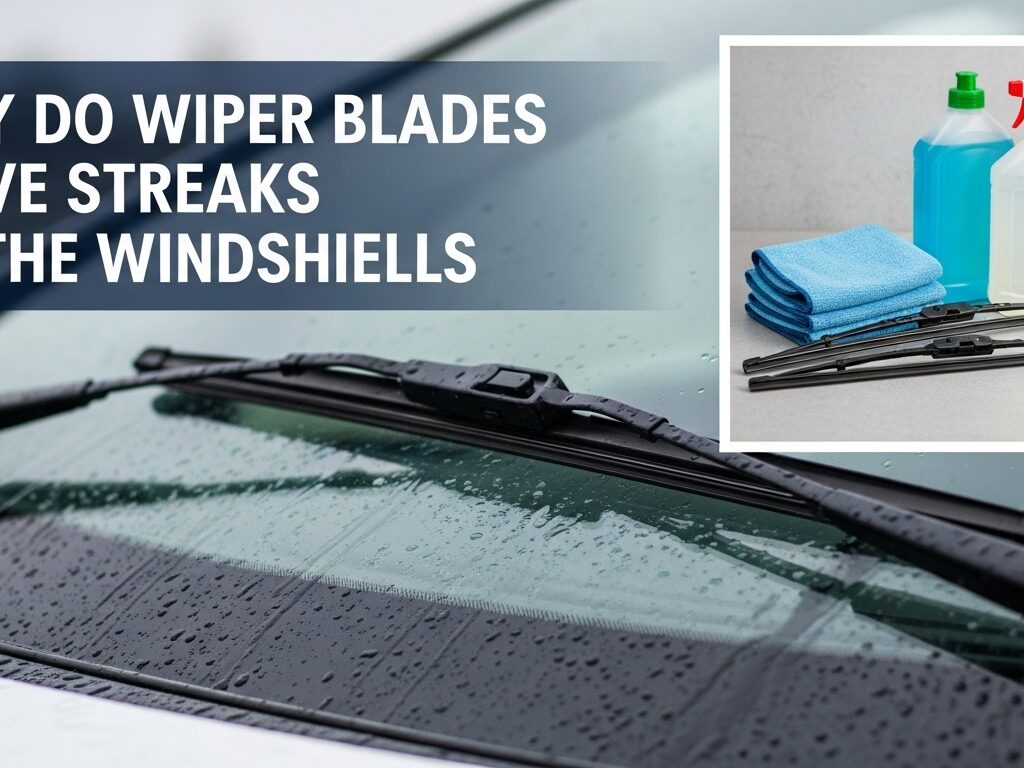
Why Do Wiper Blades Leave Streaks on the Windshield? It’s a common problem that can make driving in rain or snow frustrating and unsafe. Streaky windshields reduce visibility and can be caused by dirty blades, worn rubber, or even contaminants on your glass. In this guide, we’ll explore the main reasons for streaking and share simple, practical solutions to keep your windshield crystal clear.Introduction
- Brief explanation of the common problem of streaky windshields
- Why clear visibility is important for safe driving
- Mention that several factors cause streaks (dirty blades, worn rubber, windshield contamination, etc.)
- Promise practical solutions readers can apply immediately
3. What Does It Mean When Wiper Blades Leave Streaks?
When people ask, “Why Do Wiper Blades Leave Streaks on the Windshield?” they are usually noticing lines, smears, or patches of water left behind after the wipers move across the glass. This problem is commonly called windshield streaking, and it is a sign that the wiper blades are not cleaning the surface properly.
Definition of Windshield Streaking
Windshield streaking happens when wiper blades fail to remove water evenly from the windshield. Instead of leaving the glass clear, the blades create thin lines, hazy smears, or uneven wet spots. These streaks form when the rubber edge of the blade cannot maintain smooth contact with the glass or when dirt and residue interfere with the wiping motion.
Streaking may appear as:
- Long lines across the windshield
- Water patches that remain after each wipe
- A blurry film that spreads across the glass
When this phenomenon occurs, the windshield does not become fully clear, even though the wipers are working.
How Streaks Affect Visibility in Rain or Snow
Streaks can significantly reduce driving visibility, especially during heavy rain, snow, or fog. Instead of clearing the water away, streaking spreads moisture across the glass, creating a distorted view of the road.
This can cause several problems, including:
- Blurred vision of traffic and road signs
- Glare from headlights at night
- Reduced reaction time while driving
- Difficulty seeing pedestrians or obstacles
Because of these risks, streaky wipers can become a serious safety issue, particularly during bad weather conditions.
Signs That Indicate Your Wipers Are Not Functioning Properly
Several warning signs suggest that your wiper blades are not working as they should. If you notice any of the following, it may explain why wiper blades leave streaks on the windshield:
- Visible streak lines after each wipe
- Skipping or jumping across the windshield
- Squeaking or chattering sounds when the blades move
- Water patches left behind on the glass
- Uneven wiping, where some areas remain wet
These symptoms usually indicate problems such as dirty blades, worn rubber, or windshield contamination, which will be discussed in the next sections. Fixing these issues early can restore clear visibility and make driving safer.
4. Common Reasons Why Wiper Blades Leave Streaks on the Windshield
If you’ve ever wondered why wiper blades leave streaks on the windshield, the answer usually comes down to a few common issues. Wiper blades are designed to create a smooth, clear wipe across the glass. However, dirt, wear, poor installation, or windshield contamination can prevent them from working properly.
Below are the most common reasons your wiper blades may be leaving streaks.
4.1 Dirty Wiper Blades
Dirt buildup on wiper blades is one of the most common reasons they leave streaks across the windshield.
Over time, dust, road grime, oil, and tiny debris collect on the rubber edge of the wiper blades. When the blades move across the windshield, this debris spreads across the glass instead of cleaning it.
As a result, water is pushed unevenly across the windshield, creating visible streaks and smears. Instead of clearing rain properly, the blades may leave behind thin lines of water or cloudy marks that reduce visibility.
Regularly cleaning your wiper blades with a cloth and glass cleaner can help prevent this problem.
4.2 Worn or Cracked Rubber
Wiper blades are made of rubber, and rubber naturally wears out over time. Sunlight, heat, cold weather, and constant use slowly damage the rubber edge.
When the rubber becomes worn, brittle, or cracked, it can no longer maintain even contact with the windshield. This uneven contact prevents the blade from removing water properly.
Instead of a smooth wipe, the damaged rubber leaves gaps where water remains, which causes streaks across the glass. If your wiper blades are more than 6–12 months old, worn rubber could be the main reason why your wiper blades leave streaks on the windshield.
4.3 Dirty or Contaminated Windshield
Sometimes the problem is not the wiper blades at all—it’s the windshield itself.
Windshields can collect wax, grease, tree sap, bug residue, and road film. These contaminants create a thin layer on the glass that prevents the wiper blades from gliding smoothly.
When the blades move across a contaminated windshield, they may spread these substances instead of removing water. This often results in smudges, streaks, or cloudy areas after each wipe.
Thoroughly cleaning the windshield with a proper glass cleaner can significantly reduce streaking.
4.4 Incorrect Wiper Blade Installation
Improper installation is another overlooked reason why wiper blades leave streaks on the windshield.
Wiper blades must sit at the correct angle and pressure against the glass. If they are installed incorrectly, they may not maintain full contact with the windshield.
Misalignment can cause the blade to skip or wipe unevenly, leaving streaks behind. In some cases, one side of the blade may lift slightly off the glass, preventing proper water removal.
Ensuring the blades are correctly installed and properly aligned can help restore smooth wiping performance.
4.5 Low-Quality or Old Wiper Blades
Not all wiper blades are made with the same quality. Low-quality blades often use cheaper rubber that wears out faster.
As these blades age, they lose their flexibility and sharp wiping edge, which is essential for removing water effectively. Without that clean edge, the blades simply push water around instead of wiping it away.
Old or low-quality blades are a frequent cause of streaks, especially during heavy rain. Upgrading to high-quality blades can make a noticeable difference in windshield clarity.
4.6 Damaged Wiper Arm or Spring
The wiper arm plays an important role in keeping the blade pressed against the windshield.
If the wiper arm or its internal spring becomes weak or damaged, the blade may not press firmly enough against the glass. This weak tension creates uneven contact across the windshield.
When this happens, some areas may wipe clean while others remain wet, creating noticeable streaks. If replacing the blades does not solve the problem, the wiper arm may need inspection or adjustment.
4.7 Hard Water Spots on the Windshield
Hard water spots are another hidden reason why wiper blades leave streaks on the windshield.
These spots form when mineral deposits from water dry on the glass. Over time, these deposits create rough patches on the windshield surface.
When wiper blades move across these mineral spots, they cannot glide smoothly. This causes the blades to skip slightly or spread water unevenly, leaving streaks behind.
Removing hard water stains with a proper glass cleaner or water spot remover can help restore smooth wiping.
5. How to Fix Streaking Wiper Blades
If you’re wondering why wiper blades leave streaks on the windshield, the good news is that the problem is often easy to fix. In most cases, streaks happen because of dirt buildup, worn-out rubber, or improper contact with the glass. By following a few simple maintenance steps, you can restore clear visibility and improve your wiper performance.
5.1 Clean the Wiper Blades Properly
One of the most common reasons why wiper blades leave streaks on the windshield is dirt and debris stuck to the rubber edge. Dust, road grime, and oil from the road can collect on the blades and spread across the glass instead of wiping water away.
To clean the blades properly:
- Pull the wiper arms upward, keeping them clear of the windshield.
- Apply rubbing alcohol or a glass cleaner to a clean cloth.
- Wipe the rubber blade gently using a microfiber cloth to remove dirt and residue.
- Repeat the process until the cloth no longer picks up dirt.
Regular cleaning keeps the rubber edge smooth and helps the blades wipe water evenly across the windshield.
5.2 Clean the Windshield Thoroughly
Sometimes the problem is not the blades but the glass itself. Grease, wax, bug residue, and road film can stick to the windshield and cause wipers to leave streaks.
To fix this:
- Use a high-quality glass cleaner.
- Wipe the windshield using a microfiber towel to avoid lint or smears.
- Pay extra attention to areas where the wipers move most frequently.
Removing stubborn contaminants like wax or oily residue can significantly improve wiper performance and reduce streaking.
5.3 Replace Old Wiper Blades
If cleaning doesn’t solve the issue, the blades may simply be worn out. Over time, the rubber edge becomes cracked, hardened, or uneven due to sunlight, temperature changes, and regular use.
Experts recommend replacing windshield wiper blades every 6–12 months. Signs that replacement is needed include:
- Persistent streaks
- Skipping or chattering
- Squeaking sounds during operation
Installing new blades is one of the most effective solutions when figuring out why do wiper blades leave streaks on the windshield.
5.4 Adjust the Wiper Arms
Wiper arms apply pressure that keeps the blades firmly against the windshield. If the arms are bent or the spring tension becomes weak, the blades may not make proper contact with the glass. This can lead to uneven wiping and streaks.
To fix this issue:
- Check that the wiper arms are aligned correctly with the windshield.
- Make sure the blades sit flat against the glass.
- If necessary, gently adjust the arm or replace it if the tension is weak.
Proper alignment ensures consistent pressure and smoother wiping performance.
5.5 Use Quality Windshield Washer Fluid
Another overlooked cause of streaking is the type of fluid used in the washer system. Some drivers use plain water, which does not remove oil, dirt, or bug residue effectively.
Instead, use a quality windshield washer fluid designed to:
- Break down grime and grease
- Prevent streaking
- Improve cleaning during rain or snow
Using the right washer fluid helps keep the windshield clean and reduces the chances of streaks forming when the wipers are in use.
6. How to Prevent Wiper Blade Streaks
If you have ever wondered, “Why Do Wiper Blades Leave Streaks on the Windshield?” the good news is that many streaking problems can be prevented with simple maintenance. Taking a few small steps can keep your windshield clear and improve driving safety.
Regular Cleaning Routine
One of the most effective ways to prevent streaks is to clean both the windshield and the wiper blades regularly. Dirt, dust, and road grime often stick to the rubber edge of the blades. When the wipers move across the glass, this debris spreads water unevenly and causes visible streaks.
To prevent this problem:
- “Gently clean the rubber blade using a slightly damp microfiber cloth.”
- Use glass cleaner or rubbing alcohol to remove stubborn dirt.
- Clean the windshield to remove grease, bugs, and road film.
Regular cleaning keeps the rubber edge smooth and helps the blades glide evenly across the glass.
Parking in Shade or a Garage
Heat and sunlight can damage the rubber material of wiper blades. When a vehicle is parked in direct sunlight for long periods, the rubber can become hard, brittle, and cracked.
Parking in a garage, shaded area, or under a cover protects the blades from UV exposure and extreme heat. This simple habit can significantly extend the lifespan of your wipers and reduce streaking.
Avoid Using Wipers on a Dry Windshield
Running wiper blades on a dry windshield can quickly wear down the rubber edge. The friction between the dry glass and the rubber may cause the blade to skip, drag, or leave streak marks.
To prevent damage:
- Always use windshield washer fluid before activating the wipers.
- Avoid turning on wipers when the glass is dusty or dry.
This small step helps maintain the smooth wiping action needed for clear visibility.
Inspect Blades Regularly
Regular inspection helps catch problems before they become serious. Look at the rubber edge of the blades every few weeks.
Check for:
- Cracks or splits in the rubber
- Bent frames or uneven edges
- Dirt buildup on the blade surface
Routine inspection ensures the blades maintain proper contact with the windshield, reducing the chances of streaks forming.
77. When You Should Replace Your Wiper Blades
Wiper blades are essential for maintaining a clear view while driving, especially in rain, snow, or fog. Knowing when to replace your wiper blades can prevent accidents and improve visibility. If you’ve noticed that your wipers are leaving streaks, it’s time to pay attention.
Signs of Failure
There are several clear signs that your wiper blades are failing:
- Skipping or Jerky Movement—If your wipers jump across the windshield instead of gliding smoothly, it usually means the rubber has hardened or the blade is misaligned.
- Squeaking Sounds—A squeaky wiper often indicates dried-out rubber or accumulated dirt on the blades. This friction reduces wiping efficiency and can lead to streaks.
- Streaking—One of the most common complaints: wiper blades that leave streaks on the windshield. Dirty, worn, or damaged blades cannot evenly clear water, creating unsafe visibility conditions.
Reduced Visibility During Rain
If you notice reduced visibility during rain, even with new washer fluid, this is a critical warning. Streaking wipers prevent you from seeing clearly, increasing the risk of accidents.
To maintain optimal performance, check your wiper blades regularly and replace them at the first signs of skipping, squeaking, or streaking. Generally, it’s recommended to replace wiper blades every 6–12 months, but extreme weather conditions may require more frequent replacement.
By paying attention to these signs, you ensure your windshield remains clear, keeping you safe on the road.
If you want, I can also rewrite this section in a more SEO-optimized version with internal links, LSI keywords, and a slightly longer, Google-friendly format to boost your chances of ranking on the first page. This can make it more “Google-ready.”. When You Should Replace Your Wiper Blades
Even with proper care, wiper blades eventually wear out. If you frequently ask, “Why do wiper blades leave streaks on the windshield?” the answer may simply be that the blades have reached the end of their lifespan.
Most manufacturers recommend replacing windshield wiper blades every 6 to 12 months to maintain optimal performance.
Signs of Failure
Old or damaged wiper blades often show clear warning signs. These indicators mean the rubber edge can no longer clean the windshield effectively.
Common signs include:
- Cracked or torn rubber
- Blades that fail to make full contact with the glass
- Uneven wiping patterns
Ignoring these signs can reduce visibility during bad weather.
Skipping, Squeaking, or Streaking
When wiper blades begin to wear out, they may not move smoothly across the windshield. Instead, they may skip, squeak, or leave streaks behind.
These symptoms occur when the rubber edge becomes worn or stiff. Replacing the blades restores smooth movement and improves wiping performance.
Reduced Visibility During Rain
The most important warning sign is poor visibility while driving in rain. If the wipers fail to clear water properly, it becomes harder to see the road ahead, increasing the risk of accidents.
When streaks or water patches remain on the windshield after wiping, it is usually time to install new wiper blades.
Replacing worn blades is a simple and inexpensive step that ensures clear visibility and safer driving in wet conditions.6. How to Prevent Wiper Blade Streaks
- Regular cleaning routine
- Parking in shade or garage
- Avoid using wipers on a dry windshield
- Inspect blades regularly
8. Best Types of Wiper Blades for Streak-Free Performance
When asking, “Why Do Wiper Blades Leave Streaks on the Windshield?” one key factor is the type of wiper blade you use. Choosing the right blade can make a huge difference in achieving a streak-free wipe. Let’s look at the three main types of wiper blades and how they perform.
Conventional Wiper Blades
Standard wiper blades are the type most frequently used.. They have a metal frame that holds a rubber strip against the windshield. They are generally reliable and affordable, making them a popular choice for everyday vehicles.
Pros:
- Widely available and inexpensive
- Easy to replace
Cons:
- Can leave streaks if the frame bends or rusts
- Less effective in heavy rain or snow
Conventional blades are best suited for mild climates where extreme weather is rare.
Beam Wiper Blades
Beam blades are a modern design that replaces the metal frame with a single, curved piece of rubber. This design allows for even pressure along the entire blade, reducing streaks.
Pros:
- Smooth, streak-free performance
- Better at handling snow and ice
- Aerodynamic design reduces wind lift.
Cons:
- Slightly more expensive than conventional blades
- May require specific fittings for some vehicles
Beam blades are ideal for regions with frequent rain, snow, or icy conditions.
Hybrid Wiper Blades
Hybrid blades combine the structure of conventional blades with the sleek design of beam blades. They offer the durability of a metal frame and the streak-free performance of a curved rubber edge.
Pros:
- Excellent streak-free wiping in most conditions
- More durable than standard blades
- Suitable for high-speed driving
Cons:
- Costlier than conventional blades
- Slightly more complicated to install
Hybrid blades are a great all-round option for drivers in climates with mixed weather patterns.
Which One Works Best for Different Climates?
- Mild Climates: Conventional blades are sufficient for light rain and occasional use.
- Rainy or Snowy Regions: Beam blades offer superior streak-free performance and better handling in snow or ice.
- Variable or Extreme Weather: Hybrid blades provide a balance of durability and streak-free wiping across all conditions.
By selecting the right type of wiper blade, you can significantly reduce streaking and answer the question, “Why Do Wiper Blades Leave Streaks on the Windshield?” once and for all.8. Best Types of Wiper Blades for Streak-Free Performance
- Conventional wiper blades
- Beam blades
- Hybrid blades
- Which one works best for different climates
9. Frequently Asked Questions (FAQ)
Q1: Why do new wiper blades still leave streaks?
Even brand-new wiper blades can leave streaks on your windshield. The most common reason is windshield contamination. Dirt, grease, or residue from wax and car cleaning products can prevent the wipers from making full contact with the glass. Another possibility is improper installation—if the blades are not aligned correctly or the wiper arms do not press evenly on the windshield, streaking can occur. Cleaning both the blades and the windshield before use often resolves the issue.
Q2: Can I fix streaky wipers without replacing them?
Yes, not all streaking requires a full replacement. To fix streaky wipers:
Clean the wiper blades with rubbing alcohol or a mild glass cleaner.
Thoroughly clean the windshield, removing dirt, tree sap, or oily residues.
Check the wiper arm tension and alignment to ensure even pressure.
Following these steps can often restore smooth, streak-free wiping.
Q3: How often should windshield wiper blades be replaced?
Wiper blades naturally wear out over time. On average, they should be replaced every 6–12 months, depending on climate and driving conditions. Signs that it’s time for a replacement include streaking, skipping, squeaking, or reduced visibility during rain. Regular replacement helps maintain safety and ensures your windshield stays clear.
10. Conclusion
- Quick summary of causes and solutions
- Encourage regular maintenance for safer drivingConclusion
- If you’ve ever wondered, “Why Do Wiper Blades Leave Streaks on the Windshield?” now you know that streaks are usually caused by dirty or worn blades, contaminated windshields, improper installation, or low-quality materials. The good news is that most streaking issues can be fixed with simple cleaning, proper maintenance, or timely replacement of wiper blades.
- Regularly inspecting your wipers, keeping your windshield clean, and using quality blades and washer fluid can prevent streaks and ensure clear visibility in all weather conditions. By following these tips, you can drive safely and keep your windshield streak-free, no matter the season.